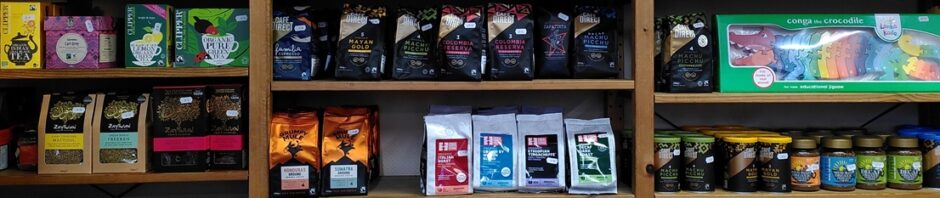
Fairtrade seeks to give people in developing communities the chance to better their lives through regular income, training and resources. The first step in achieving this is ensuring the goods they produce and grow are sold at a guaranteed Fairtrade price. That means if the regular market price falls below this, producers and farmers can be sure they will receive the Fairtrade price as a minimum – in effect acting as a safety net. Producers and farmers also receive the ‘Fairtrade Premium.’ This is an additional payment which must be invested in the community to benefit its members. Typically fairtrade premiums are spent on sanitation, education, electricity or healthcare.
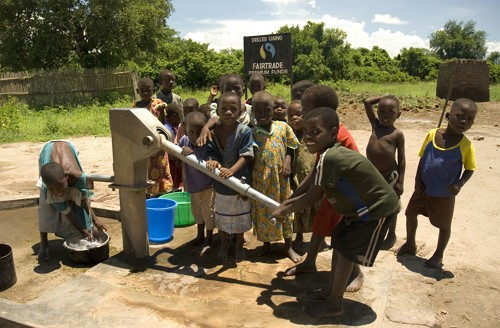
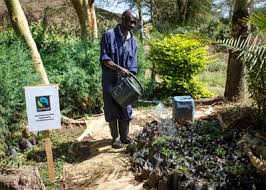
The Fairtrade Foundation also provides expertise and training to help producers combat the devastating effects of climate change, which is threatening the production of some of our most common groceries like bananas, coffee and tea. Currently many producers who do not have the benefit of fair trade are losing their livelihoods.
The Fairtrade Foundation also works with politicians, businesses and others to promote policies that will make global trade fairer and more sustainable.
The Fairtrade mark is one of the UK’s certification schemes for fairly traded products and is awarded by the Fairtrade Foundation.
There are other bodies which also set standards for supply chains. For example, the World Fair Trade Organisation (WFTO) upholds ten principles and any product which carries its mark must have a production network that is in alignment with them.
The British Association for Fair Trade Shops and Suppliers (BAFTS) provides a structure of accountability to its members who must adhere to WFTO’s ten principles and stock their shops accordingly. The application process is quite rigorous and not all who apply are granted membership. Fairer World was a founder member of BAFTS in 1995.